


The Thrill of Risk
One of the primary motivations behind gambling is the thrill of taking risks. For many individuals, placing a bet provides an adrenaline rush that is difficult to replicate elsewhere. The uncertainty of the outcome ignites a sense of excitement and anticipation — will luck be on their side? This desire for excitement often outweighs the potential consequences of losing money, especially when considering options like fast withdrawal online casino platforms that enhance the experience. It’s this high-stakes environment that draws players into a world where anything seems possible, fostering a compelling allure that keeps them coming back for more.
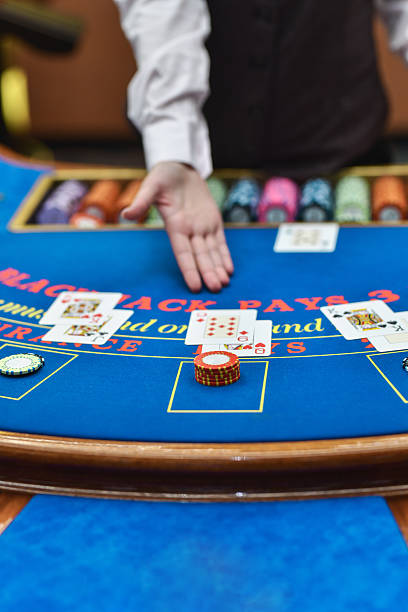
Moreover, the element of risk can also serve as a distraction from daily life. Many people seek out gambling as a form of escapism. In a world filled with responsibilities and challenges, gambling offers a temporary reprieve, allowing individuals to forget their worries and immerse themselves in the moment. This psychological benefit is a significant factor that explains why people return to gambling time and time again, despite the potential long-term ramifications.
Lastly, the thrill of risk often incorporates the social aspect of gambling. Be it in a casino, at a racetrack, or online, the communal experience of engaging in a high-stakes game fosters camaraderie among players. This social interaction enhances the enjoyment of risk-taking, making it a more rewarding experience. The blend of thrill-seeking with social engagement creates an environment where risks feel worthwhile, culminating in a potent reason why many indulge in gambling.
Chasing Losses
The phenomenon known as “chasing losses” is a significant motivator that keeps gamblers engaged. After experiencing a loss, many people grapple with the compulsion to recover their lost funds. This often leads to placing even larger bets in hopes of turning their fortunes around. The psychological impact of this behavior can be profound, as individuals may convince themselves that their next bet will surely yield a win, even when statistics suggest otherwise. This cycle can create an addiction, pushing individuals to gamble more in a desperate attempt to regain control over their financial situation.
Understanding the psychology behind chasing losses reveals essential insights into why people persist in gambling, despite the risks involved. For some, the act of gambling turns into a form of self-therapy, where winning—even if just a small amount—provides temporary relief from the pressure of losses. This cycle can lead to an obsession with gambling, as individuals find themselves trapped in a spiral of highs and lows. The hope of recovering what they’ve lost can be incredibly powerful, sometimes leading to irrational decision-making and financial instability.
Additionally, chasing losses can be fueled by the cognitive biases that gamblers tend to experience. The gambler’s fallacy, for instance, leads individuals to mistakenly believe that previous outcomes affect the probabilities of future outcomes. This fallacy can prompt a gambler to think that a win is overdue, further promoting the urge to place more bets. As a result, the emotional rollercoaster of gambling can become addictive, causing individuals to gamble not just for fun, but out of a compulsive need to reconcile their past decisions.
The Appeal of Winning
Many people gamble with the alluring hope of winning big. The idea of hitting a jackpot or striking it rich plays a crucial role in motivating individuals to engage in various gambling activities. This aspiration is often glamorized in the media and popular culture, where stories of everyday people experiencing life-changing wins resonate with audiences. The potential for sudden wealth draws many to gamble, pushing them to partake in games that promise a lucrative payout.
Winning, however, is not solely about monetary gain. For many, the joy of winning also encompasses feelings of validation and success. A win can boost self-esteem and provide a sense of accomplishment, leading individuals to associate gambling with positive emotions. This association can further propel them into a cycle of gambling, where the thrill of winning continually reinforces their behavior, despite possible negative consequences.
Importantly, the illusion of easy wealth perpetuated by advertisements and success stories can create unrealistic expectations. Gamblers often underestimate the odds against them, leading to a misconception that winning is more achievable than it truly is. This cognitive bias further fuels their desire to gamble, reinforcing a belief that they can replicate past successes. Consequently, the pursuit of winning becomes a powerful motivator in the gambling landscape, propelling individuals to try their luck time and again.
Social and Recreational Aspects
The social dimension of gambling cannot be understated. For many, gambling serves as a social activity—an opportunity to gather with friends, meet new people, or be part of a community. Casinos and gaming venues often facilitate social interaction, allowing individuals to share their experiences and foster connections. These social aspects deeply impact why people engage in gambling, transforming it from a solitary activity into a communal experience filled with laughter, conversation, and shared excitement.
Moreover, the recreational aspect of gambling plays a pivotal role in its appeal. Many people engage in gambling as a form of entertainment, providing an enjoyable way to spend their leisure time. The atmosphere of excitement, the thrill of competition, and the enjoyment of watching outcomes unfold create a unique recreational experience unlike any other. This entertainment factor can draw individuals who may not necessarily be motivated by financial gain, instead seeking enjoyment and pleasure through the act of gambling itself.
Interestingly, the social and recreational aspects also help normalize gambling within certain communities. As gambling becomes a shared activity, it loses some of its stigma, making it more acceptable and accessible. This normalization can perpetuate gambling behaviors, as individuals feel encouraged by their peers to partake in activities that may have otherwise seemed risky or off-limits. Understanding the social and recreational drivers behind gambling can provide deeper insights into its enduring appeal across diverse demographics.
Learning More About Gambling and Its Effects
At our website, we aim to foster a comprehensive understanding of gambling and its multifaceted motivations. We delve into the psychological, social, and economic aspects of gambling, offering resources and insights that empower our readers to make informed decisions. Our goal is to provide educational content that addresses not only the allure of gambling but also the potential risks involved.
Furthermore, we encourage responsible gambling practices by promoting awareness of the signs of addiction and providing strategies for managing gambling behaviors. Our content is designed to help individuals reflect on their motivations for gambling, understand their experiences, and explore healthier alternatives when necessary. By fostering an open dialogue about gambling, we seek to diminish the stigma surrounding it and promote healthier engagement.
Ultimately, our mission is to inform and empower our audience regarding the complexities of gambling. Through in-depth articles, expert interviews, and community discussions, we strive to build a platform where individuals can explore, learn, and engage with all facets of the gambling experience in a responsible manner. Join us in unpacking the motivations behind gambling and discover the balance between enjoyment and responsibility.